Steam at 570 °C becomes electricity – in three pressure stages.
An expansion engine that lets the steam from the SolarSteamer expand from a small initial volume through three piston stages to a large final volume. Compact design, high thermal efficiency.
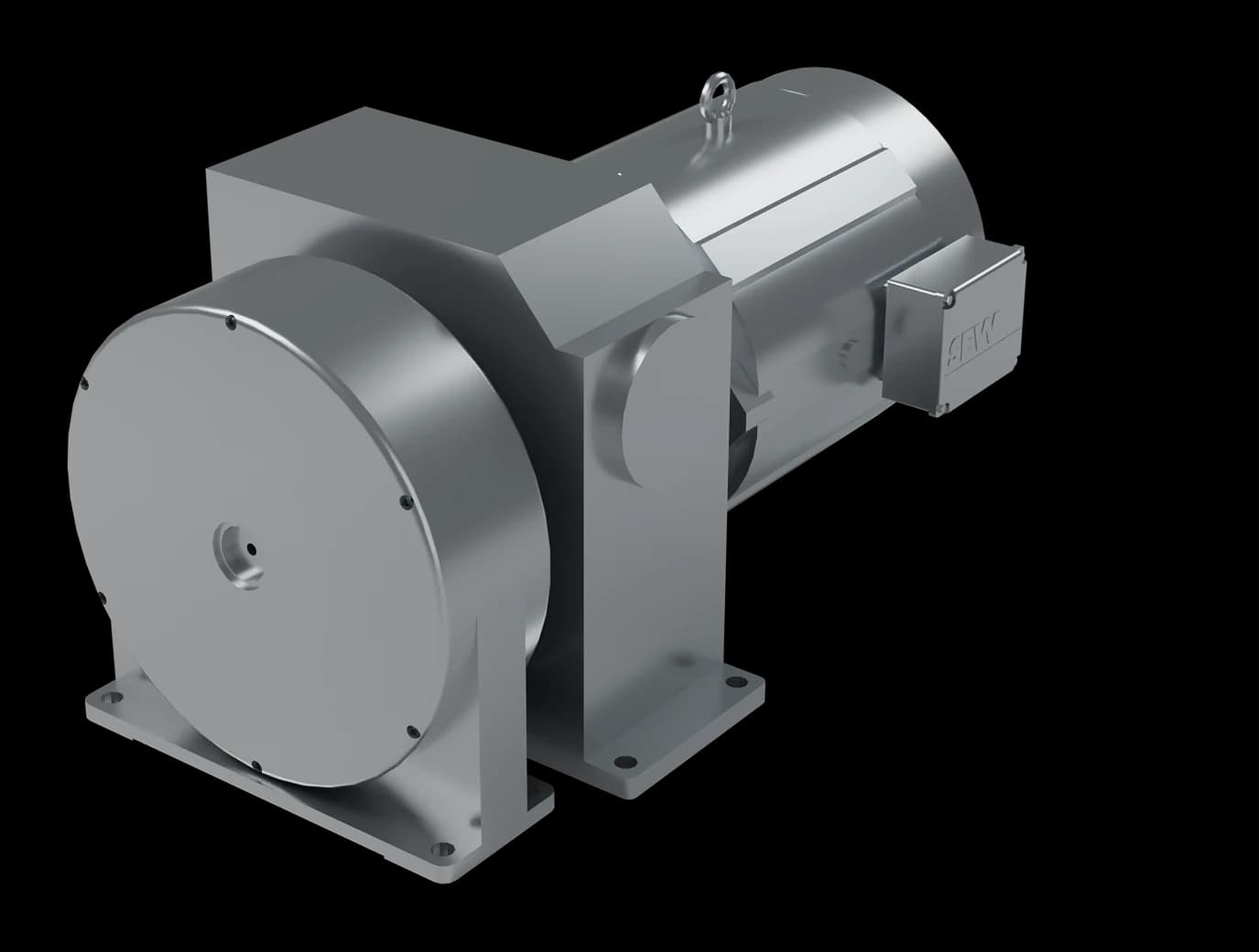
Steam engine (SKM) · Radial stepped piston engine (RSKM)
From the idea to the application.
Four phases – from the thermodynamic idea to the power stage of the SolarSteamer.
A heat engine with a large enthalpy gradient.
Good efficiency in the water-steam cycle calls for an engine that uses a large energy gradient and is compact at the same time. Dirk Besier transfers the stepped piston principle to the steam engine: a small initial volume (V₁ ≈ 8 cm³) expands through three stages to a multiple of that – with a short stroke.
- polytropic expansion, adjustable in operation for the best efficiency
- compact design instead of long strokes
- designed for steam at approximately 100 bar and 570 °C
Three stages, one even flow of force.
A small cylinder at high pressure, a large cylinder at low residual pressure – the piston area grows with the square of the diameter and absorbs the drop in pressure.
Expansion through three pressure stages
Bei jedem Stufensprung steigt die Kraft zu Beginn der Expansion neu an. Ergebnis ist ein gleichmäßiger, mechanisch gut wirksamer Kraftverlauf.
Small cylinder, highest pressure – short stroke, large force.
Middle stage – four times the piston area absorbs the drop in pressure.
Large cylinder, low residual pressure – nine times the area uses the last enthalpy gradient.
Piston drum and generator.
The radial development arranges several stepped pistons radially in a rotor – each piston passes through around four expansions per revolution, about 36 with nine pistons. The generator is coupled directly to the piston drum.
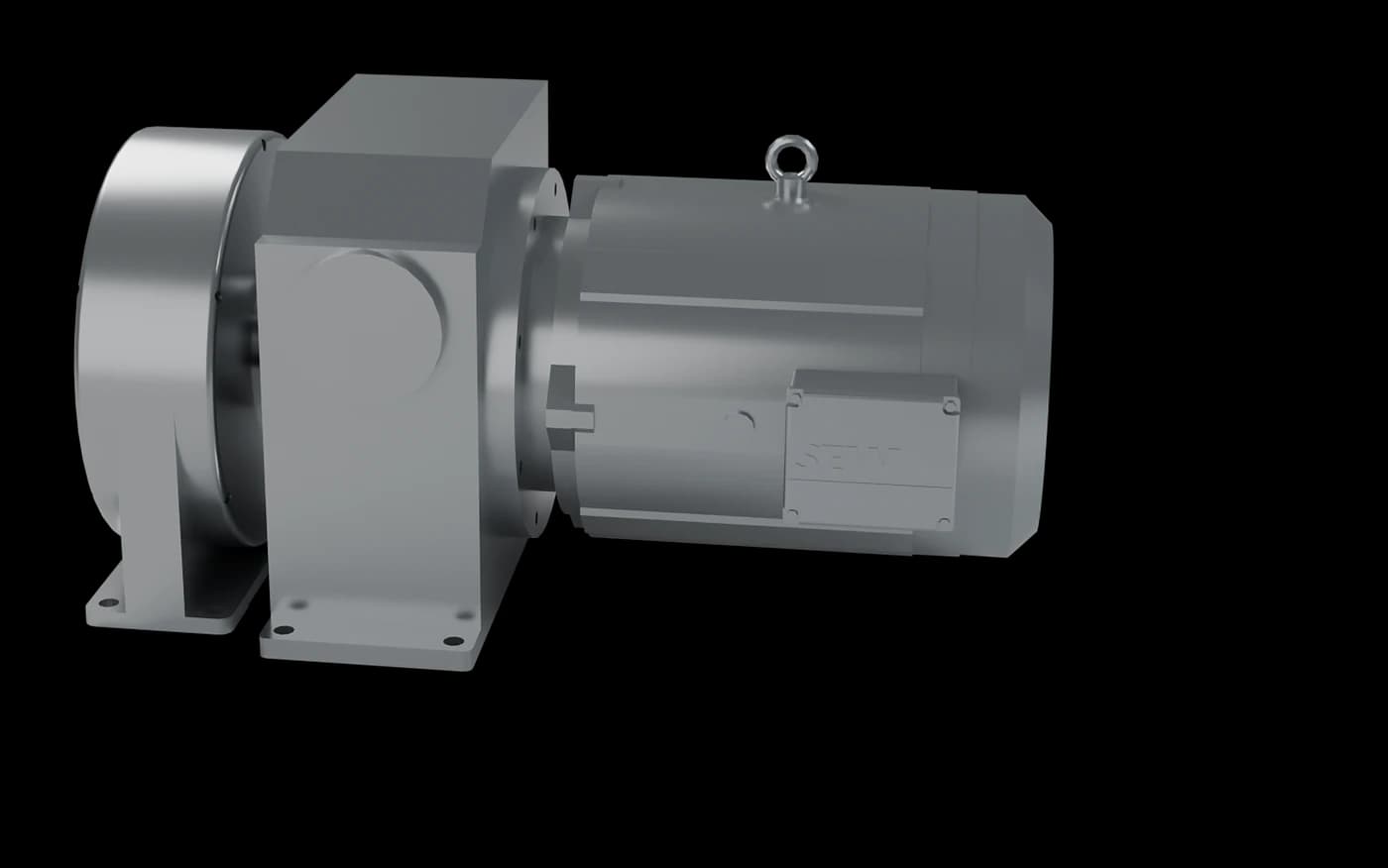
On the left the housing of the piston drum, on the right the coupled generator.
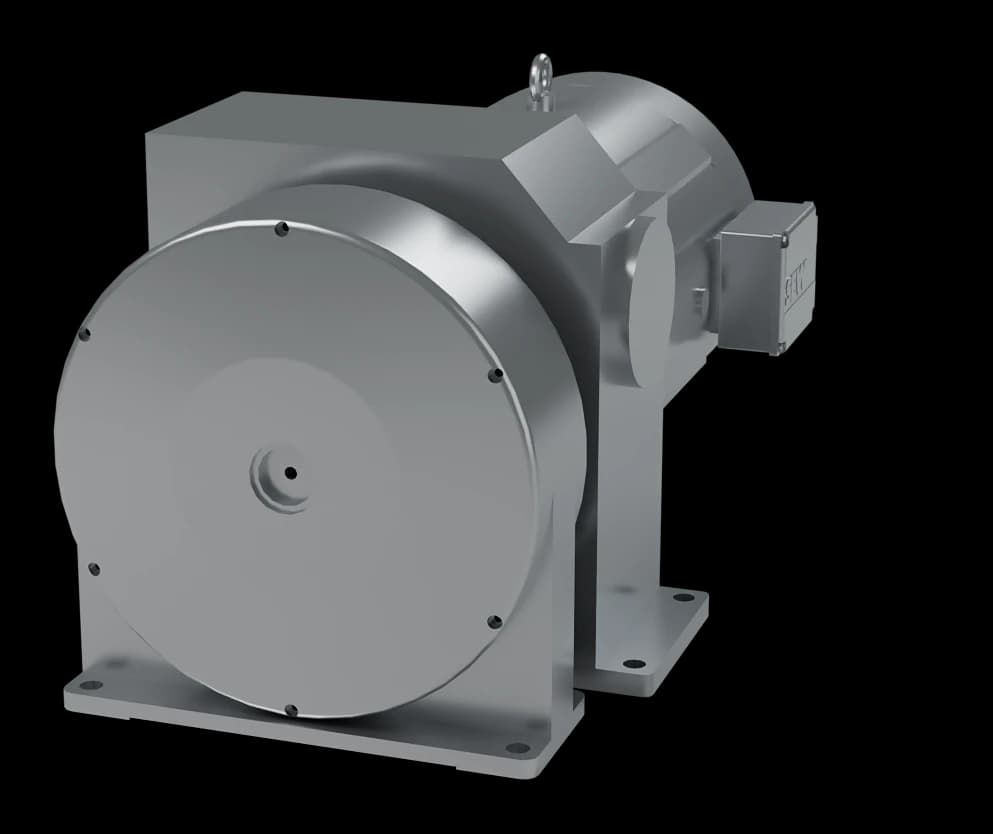
Inside the round housing the stepped pistons are arranged radially in the rotor. An odd number produces a continuous flow of force – no flywheel is needed.
3D renderings from the design models. Material presentation harmonised for this website.
Why the staging works.
- 01Force = pressure × piston area. Pressure falls as the steam expands – the area grows with the square of the diameter.
- 02At every step up in stage, the force rises again at the start of the expansion. The result is an even flow of force that is mechanically effective.
- 03A linear guide at the joint absorbs the horizontal forces. The pistons carry axial load only, which simplifies sealing inside the cylinder.
We provide detailed documents on design, commercialisation and planning to registered investors step by step in the Investor Center.
Investor Center